Cooperation among Black Sea cities
The reason for a club of cities was cooperation, and the International Black Sea Club pursued it across several fields at once. Its members were tied together by the sea they share — a nearly enclosed basin whose trade, ecology and culture cross every border on its shores. The Club's work can be understood under a few broad headings.
Trade and investment
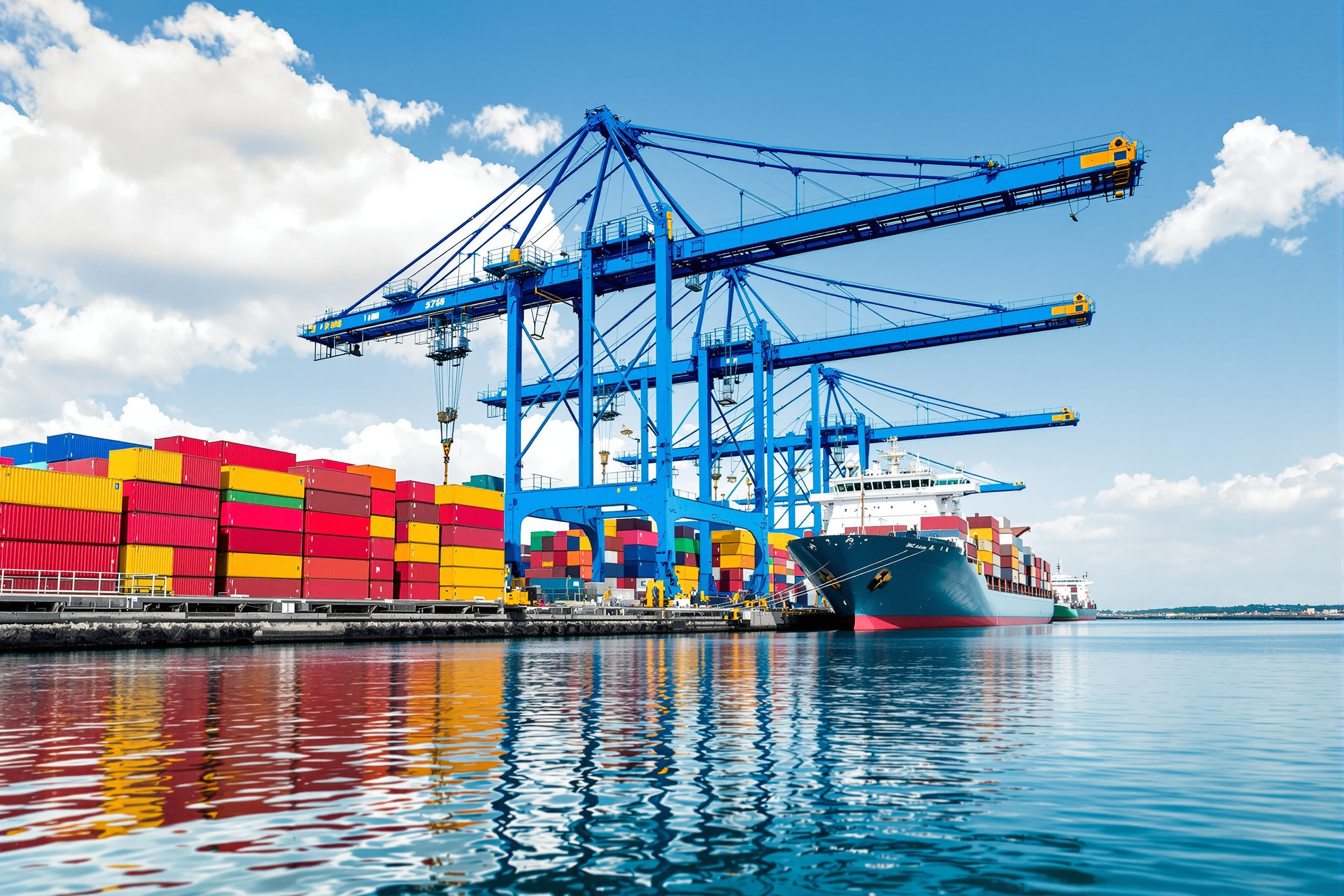
Ports live by trade, and easing commercial contact among them was among the Club's founding aims. Through its Business Council and its assemblies the Club encouraged municipal authorities to share experience in port management, logistics and investment promotion, and to open doors between their business communities. This municipal-level effort complemented the intergovernmental work of the Organization of the Black Sea Economic Cooperation, with which the Club held observer status.
The marine environment
The Black Sea is one of the world's most vulnerable seas, and its coastal cities are both a cause of and a solution to its problems. Cooperation on water quality, waste, and the health of the shared fishery was a natural concern for a network of ports. Cities could exchange practical approaches to sewage treatment, coastal management and pollution control — the same agenda pursued at the treaty level by the Commission on the Protection of the Black Sea Against Pollution.
Tourism
From the resorts of the Caucasus and Crimean coasts to the beaches of Bulgaria and Romania and the historic quarters of the southern ports, tourism is central to the Black Sea economy. By promoting their shared coastline and easing cultural contact, member cities hoped to draw more visitors to the region as a whole rather than competing only against one another.
Culture, youth and sport
Perhaps the most enduring cooperation was the simplest: bringing people together. The Club supported cultural festivals, youth exchanges and sporting events among its members, in the belief that citizens who meet across a shared sea build ties that outlast any single project. This people-to-people work is the heart of the wider sister-cities and municipal-diplomacy movement, documented today by United Cities and Local Governments. The cultural dimension is explored further on the heritage & culture page.
The limits of cooperation
It would be wrong to paint too rosy a picture. A voluntary club of cities could ease contact and share experience, but it could not overrule the states its members belonged to, nor resolve the deeper disputes that periodically strained the region. Its projects worked best in the practical, unglamorous spaces where cities have real freedom to act — a joint festival, an exchange of port officials, a shared approach to coastal cleanup. When politics between capitals hardened, the room for even this kind of cooperation narrowed. The Club's history is thus also a reminder of how much municipal goodwill depends on a wider peace.
A model still relevant
For all its limits, the idea behind the Club endures. City networks continue to tackle shared problems — climate, migration, trade, culture — that cross national borders, and the Black Sea's ports still face the common challenges of a fragile sea and an interlinked economy. The Club's experience offers one small case study in how coastal cities can try to act together.