The International Black Sea Club
An independent reference resource. This independent heritage reference covers the International Black Sea Club (IBSC) and the wider tradition of municipal cooperation among the port cities of the Black Sea. It is not affiliated with, endorsed by, or an official channel of the Club, any of its former member cities, or any government or intergovernmental body, and it takes no position on questions of sovereignty or on any current political dispute. Cities are referred to by the names the Club itself used in its historical materials.
The International Black Sea Club (IBSC) was an international non-governmental organization that brought together cities and municipalities from around the Black Sea and the eastern Mediterranean. Founded at its first assembly in Odessa on 5 December 1992, the Club grew into a network of some twenty-seven member cities dedicated to cooperation across trade, culture, the environment, education and sport. This resource gathers what is publicly documented about the Club and its member cities into a single, neutral reference.
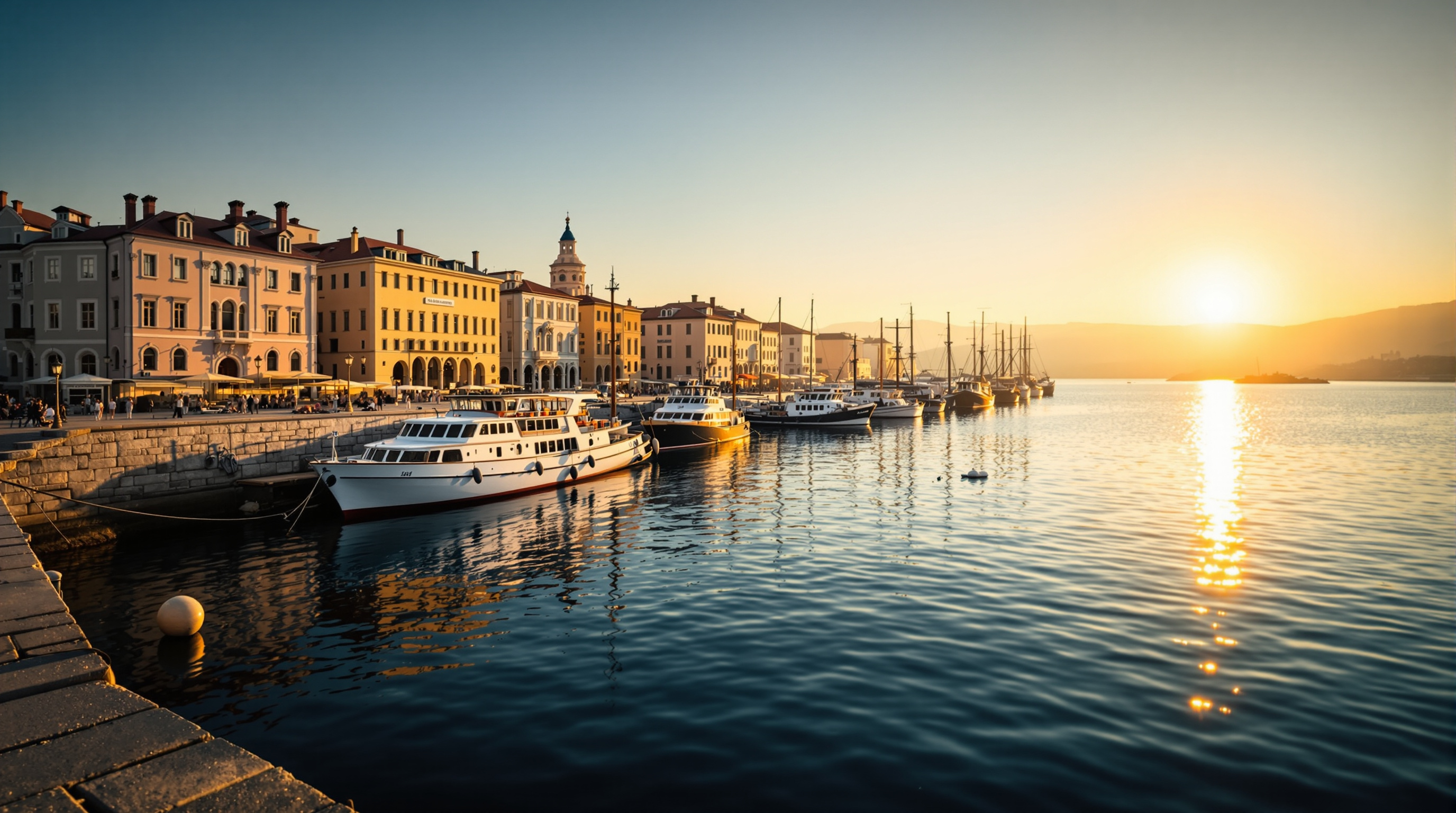
A network of port cities
For much of the twentieth century the Black Sea was divided by hard political frontiers. The Club emerged in the early 1990s as those frontiers softened, offering the region's coastal cities a practical forum in which mayors and municipal officers could meet as peers. Its members stretched from Odessa, Kherson and Mariupol on the northern coast to Trabzon and Samsun in the south, from Constanta, Varna and Bourgas in the west to Batumi, Poti and Sukhum in the east, together with Mediterranean partners such as Thessaloniki, Piraeus and Trieste.
The Club described its purpose as strengthening and developing cooperation among its members on social, economic, cultural, technological and athletic matters. In practice this meant an annual assembly, working exchanges between municipal departments, joint cultural and youth programmes, and shared attention to the environmental health of a nearly enclosed sea. You can read more about its structure and status and follow its history and assemblies.
Recognition among international bodies
The Club was noted in the Yearbook of International Organizations and worked alongside larger regional institutions. It held observer status with the Organization of the Black Sea Economic Cooperation (BSEC) and consultative status with the United Nations Economic and Social Council. It was also associated with the worldwide municipal movement now represented by United Cities and Local Governments.
Cities joined by one sea
What made the Club coherent was the sea itself. The Black Sea is almost landlocked, connected to the wider ocean only through the narrow Bosphorus, and this near-enclosure has always bound its shores together. Grain, timber, fish and travellers have moved between its ports since antiquity, and the same waters that carry trade also carry pollution and the fortunes of a shared fishery. A city on one coast has more in common with a port across the water than with the inland towns of its own country. The Club gave that natural kinship an institutional form, letting mayors and municipal officers treat the sea as a common inheritance to be managed together.
Municipal diplomacy in practice
The Club belonged to a wider movement often called municipal diplomacy: the idea that cities, working directly with one another, can build cooperation that reaches ordinary people more quickly than agreements between states. Twinned towns, city networks and regional associations had helped reconcile post-war Europe, and the Black Sea's ports adopted the same tools — regular meetings, working exchanges between departments, and joint cultural and youth projects. Because its members were cities rather than governments, the Club could keep channels open even when relations between capitals were difficult.
Explore the history
Begin with About the Club for a concise profile, or explore the member cities for individual heritage pages. The governing bodies and assemblies pages explain how the Club worked, while Black Sea cooperation and heritage & culture set it in a wider regional context. Sources and editorial notes are collected on the sources page.